UX Maturity Is a Competitive Advantage (And Most Companies Don’t Know Their Level)
What UX Maturity Actually Means
UX maturity reflects how consistently an organization integrates user needs, business goals, and technical constraints into decision making at scale.
It is not:
- Visual polish
- A design system alone
- Team size
- A single successful product
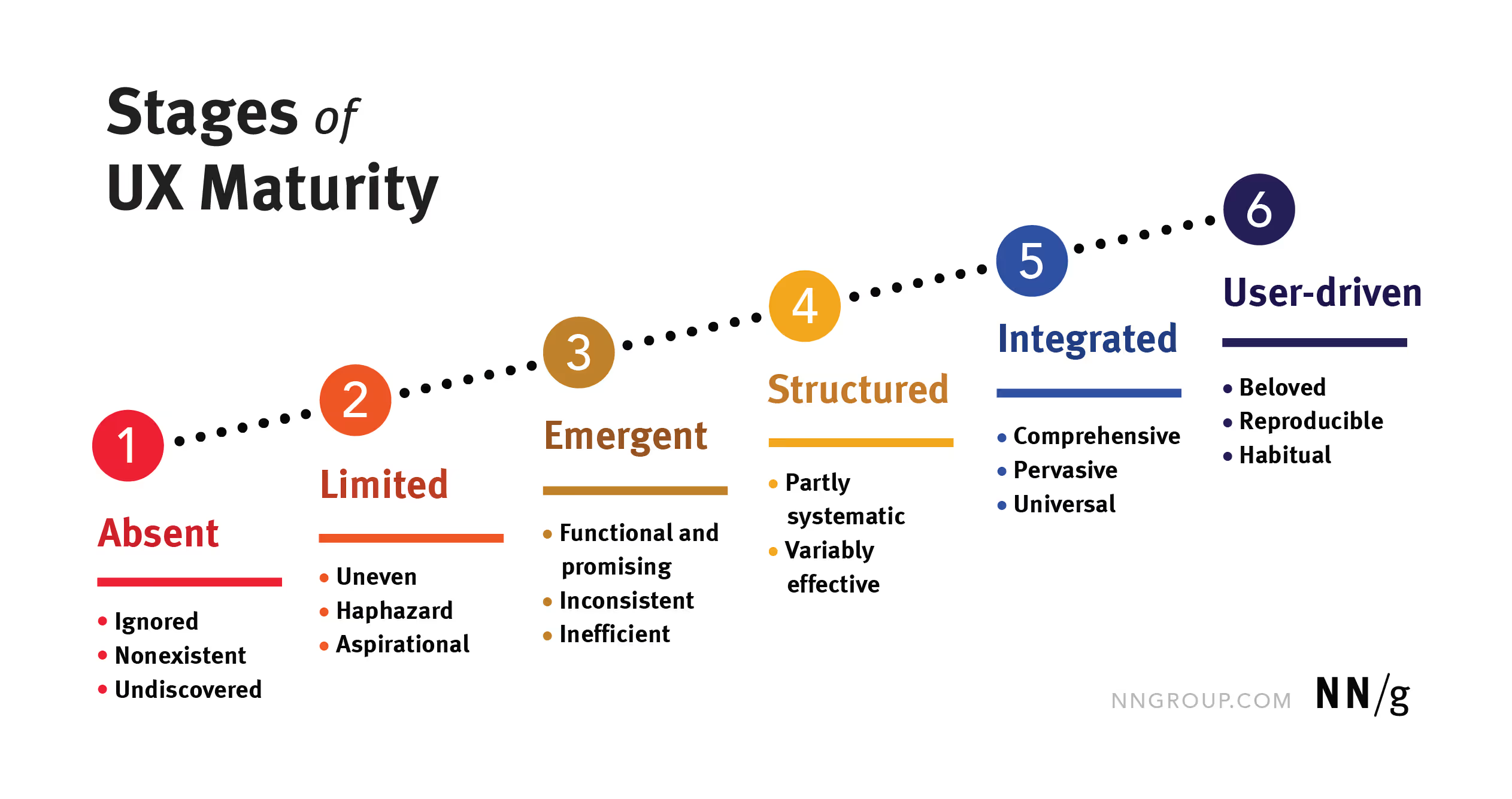
According to research from Nielsen Norman Group, UX maturity increases when organizations move from isolated design execution to shared decision making, embedded research, and cross functional accountability. Mature teams do not rely on heroics. They rely on systems.
UX maturity becomes visible when pressure increases and tradeoffs appear.
UX maturity is not a design skill problem
Strong designers cannot compensate for unclear ownership, weak decision frameworks, or misaligned incentives. UX maturity reflects organizational behavior, not individual talent.
Why UX Maturity Is a Competitive Advantage
Organizations with higher UX maturity consistently outperform less mature peers, not because they design better screens, but because they make better decisions.
Research from McKinsey has shown that companies with strong design and user experience practices outperform industry benchmarks in revenue growth and shareholder returns. The advantage comes from speed, alignment, and reduced rework.
Higher UX maturity leads to:
- Faster execution with fewer reversals
- Lower delivery and compliance risk
- Better alignment across product, design, and engineering
- Clearer and more consistent customer experiences
- Easier scaling across markets and teams
Accessibility, consistency, and system thinking tend to cluster together because they are signals of maturity, not isolated initiatives.
Common UX Maturity Failure Modes
Low UX maturity rarely looks chaotic. It often looks organized, busy, and confident.
Common patterns include:
- UX is consulted but not empowered
- Research is conducted but sidelined
- Design systems exist but are inconsistently applied
- Decisions escalate without clear criteria
- UX success is measured by output instead of outcomes
According to Forrester, many organizations invest in customer experience tools and teams without addressing the governance and decision models required to sustain impact. Motion continues, but progress stalls.
UX Maturity Is an Organizational Problem
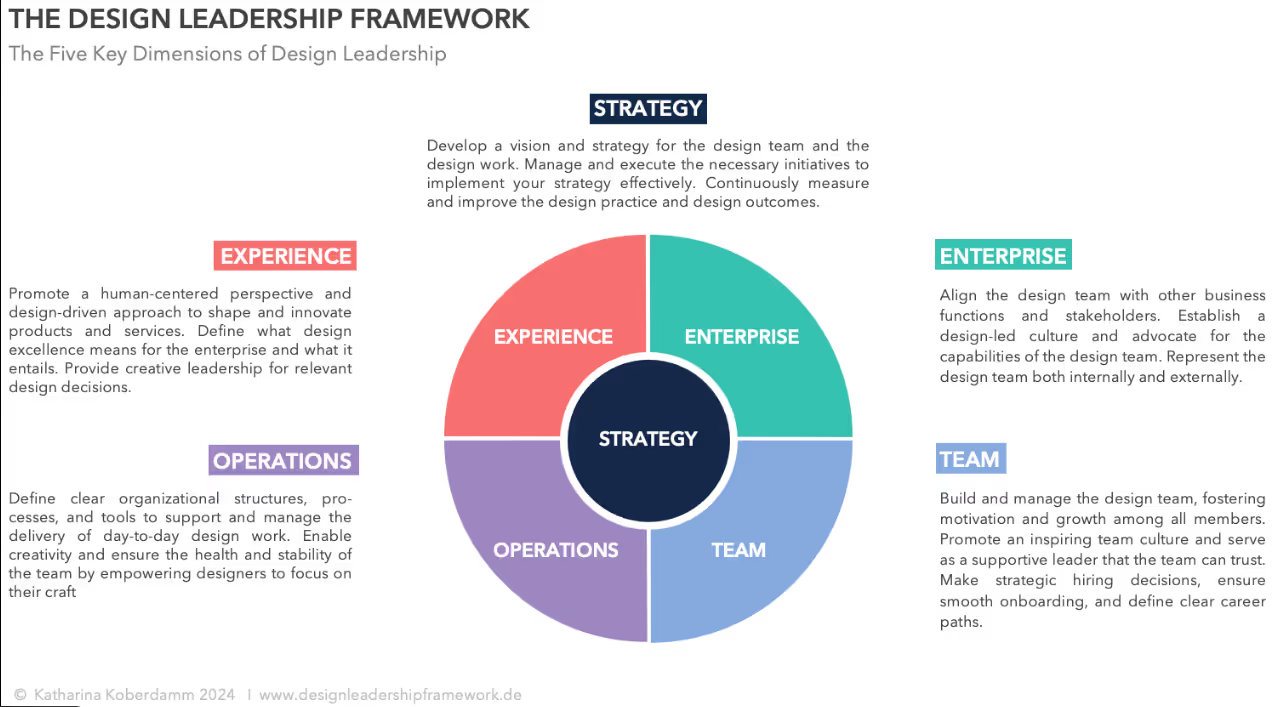
UX maturity does not live inside the design function. It is shaped by leadership, incentives, and decision rights.
Organizations struggle when:
- Ownership of UX decisions is unclear
- Process artifacts replace accountability
- Speed is rewarded over decision quality
- Transparency is optional
Mature UX organizations make it clear who decides what, when, and based on which criteria. That clarity enables speed without sacrificing quality.
This is why UX maturity is ultimately a leadership responsibility, not a design initiative
UX Maturity in Practice: Flowbird
UX maturity becomes most visible under real world constraints.
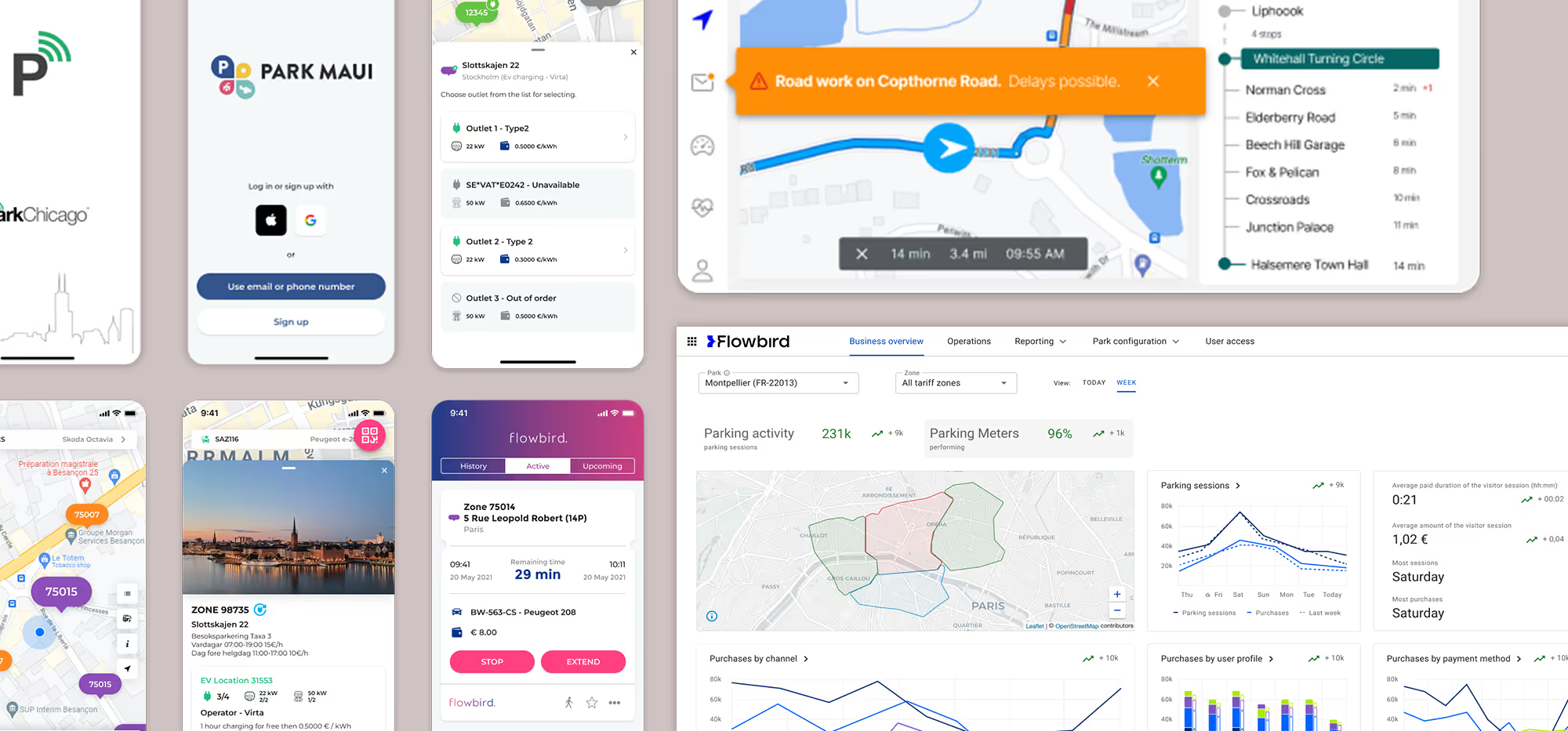
At Flowbird, products operate in public sector and enterprise environments where usability failures have operational consequences. Systems support drivers, operators, and staff working under time pressure, cognitive load, and regulatory oversight.
Improving UX maturity in this context required:

- Embedding UX early in problem definition
- Establishing clear decision rights across teams
- Designing systems, not isolated features
- Treating UX as risk management and operational reliability
These changes were not cosmetic. They shaped how teams collaborated, how decisions were made, and how products scaled across markets.
You can see how UX maturity influenced these systems in the Flowbird case study
How to Honestly Assess UX Maturity
Assessing UX maturity starts with asking uncomfortable questions:
- Who owns UX decisions when tradeoffs arise
- How early UX is involved in defining problems
- Whether research influences roadmap direction
- How consistency is enforced across teams
- What happens when UX recommendations conflict with deadlines
This is not about scoring or labels. Accuracy matters more than optimism.
The Cost of Overestimating UX Maturity
Overestimating UX maturity introduces hidden costs that compound over time:
- Rework and slower delivery
- Higher support and training burden
- Inconsistent customer experiences
- Accessibility and compliance exposure
- Difficulty scaling teams and systems
Tools do not fix these problems. Design systems, accessibility initiatives, and AI amplify whatever maturity level already exists.
Tools amplify maturity gaps
New tooling increases speed, but without UX maturity it also increases inconsistency and risk.
What Improving UX Maturity Actually Requires
Improving UX maturity requires leadership, not more artifacts.
In practice, that means:
- Executive sponsorship and support
- Clear decision frameworks
- Early and continuous UX involvement
- Shared success metrics across functions
- Accountability that spans teams
UX maturity cannot be delegated. It must be led.
Practical Takeaways
- Treat UX maturity as an organizational capability
- Measure decision quality, not just design output
- Fix decision making before adding process
- Use real constraints to reveal maturity gaps
UX Maturity Is a Leadership Signal
UX maturity reflects how an organization thinks, decides, and scales. Companies that understand their level gain leverage. Companies that overestimate it accumulate risk.
Mature UX organizations do not just build better products. They build better ways of working.
Let's talk
Whether you’re exploring a new product, refining an experience, or interested in me becoming more permanently involved in your endevor, I’d love to connect. I bring experience across industries, mediums, and technologies, and I enjoy helping teams and individuals think through their most interesting design challenges.
Selected work
Flowbird: UX Maturity

Estate Guru: Modernizing Estate Planning
Kiru: A Payroll Startup

PayPal: Unified Card System
Viziphi: Visualizing Wealth
PayPal: Settings Redesign
RoleCall: A Platform for K-12 Staffing
